COVID has changed the world around us. For the past two years everything that we do has been dictated due to COVID. Gatherings, schools, colleges, supply of food, resources and the whole economy has suffered. Seed sector is also one of those sectors which have faced the consequences of COVID.
Seed sector is a time bound industry which plays a role of foundation for agricultural production. That foundation has been shook due to all the restrictions imposed by the government. One of the main restrictions that affects seed sector is transportation. As agriculture has developed over the years, farmers have started using more and more hybrid seeds, neglecting their local crops. While that increases the production, it poses another risk which is leaving the farmers vulnerable in case of seed storage. And that’s exactly what the pandemic has brought us. It has become difficult to transport seeds from one country, area or place to another. The inputs required for good seed production is also scarce like the fertilizers, equipment’s required for maintaining quality and the technical manpower required in the fields. The COVID fear has closed down most of the offices and people are forced to work from home, which is impossible in seed production sector. Due to this, farmers are getting lesser amount of seeds in increased cost. It has left farmers vulnerable and to continue their production, they are seeking seeds from other ways like smuggling low grade seeds from our neighbouring countries. That practice has degraded the crops’ quality and is leading upto an even greater problem of crop failures and contamination of our local and hybrid crops.
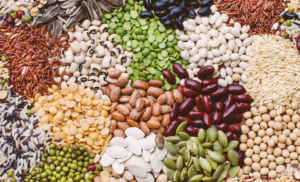
We must change something to prevent such shortcomings in Nepalese seed sector. We must find new ways to cope with the pandemic and improve the seed production in quality, quantity and distribution. One of the ways for ensuring that is making agriculture an ‘essential’ requirement just like healthcare and emergency services. Having special vehicles and transportation for agriculture is a must to ensure distribution of both seeds and the final production. We should be able to produce our own seeds and for that research stations and seed preservation technology must be improved within our nation. Small holder farmers should be supported too by providing subsidies and technical helps when needed. The government should also make it easier for farmers to register the local varieties of crops, which is really difficult and has some strict rules for now.
COVID has hampered us badly, but its upto us to minimize the damage, especially in agriculture sector. Investing time and money in seed sector will definitely pay off and provide some relief to the Nepalese people by providing a stable base for food production.
Prashant Gyanwali
Bsc. Ag 4th Semester,IAAS, TU


प्रतिक्रिया
सम्बन्धित खवर