INTRODUCTION:
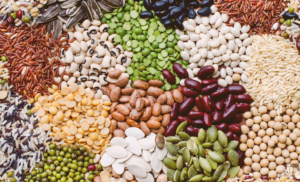
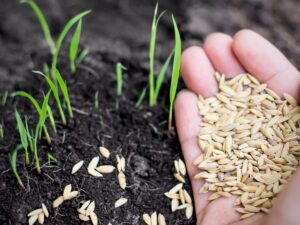
A seed is a small embryonic plant enclosed in a covering called the seed coat, usually with some stored food. It is the product of ripened ovule of gymnosperms and angiosperms plant which occurs after fertilization and some growth with in the mother plant. They are enclosed in the fruit which develops from the fertilised ovary. The seeds are formed as a result of sexual reproduction and contain the young embryo which can develop into a new plant.
FUNCTIONS OF SEEDS:
The seeds perform following essential functions.
- Reproduction: Normally most flowering plants reproduce through seeds except those that are vegetative propagation.
- Container of embryo: The seed is a container in which the embryo develops and reaches maturity.
- Storage of food: The food materials for the growing embryo is stored in the cotyledon or in the endosperm especially in monocotyledon plants.
- The seed coat is protective in nature, which protects the embryo inside.
COVID-19 has changed world around us. Gatherings, Schools, colleges, supply of food and resources and whole economy has suffered. Seed sector is one of those sectors that have faced the consequences of COVID-19. The world faces an unprecedented crisis with COVID-19 while the pandemic has put many countries under lockdown and brought normal activities to halt, those in the seed sector belong to the category of essential services and continue their works to sustain the delivery of seed to farmers. The major problems in seed sector due to havoc of COVID-19 pandemic. These are followed:
PROBLEMS IN SEED SECTOR IN PRESENT SCENARIO OF COVID:
- The COVID-19 pandemic has the potential to seriously affect the production, certification, distribution and cost of seeds, which play a fundamental role in developing resilient agricultural sectors and food systems in least developed countries.
- The availability and cost of transportation due to the reduced number of commercial flights, fewer personnel available for production, transportation and documentation processes and a contraction in the market for plans and seed has created problems in terms of the production of seed for international trade, as well as access to high quality seed of modern varieties for domestic agriculture.
- Communication, collaboration and harmonisation of measures among governments is critical and the classification of the agriculture sector as essential is important to ensure the continued movement of seeds.
- Limits on the mobility of people are affecting a variety of production, trade and scale processes.
- As a key agricultural input, seeds play a fundamental role in the developing the resilient agricultural sectors and food systems that underpin food security and nutrition and support the livelihood of farmers and other actors in the value chain.
- Limits the mobility of people across borders and lockdown are contributing to labour shortage for seed production or seed sector.
- The framework for seed supply chain has completely broken off during this pandemic period.
- Poor technical assistance.
- Seed prices has risen up, and likely to rise in most countries due to low seed trade across the borders.
- Lack of improved tools and equipment like thrasher, seed cleaner, seed sheller, etc. available for quality seed production programs.
- Shortage of human resources: both trained or untrained like seed technicians, field inspectors, seed sampler, lab analysts.
- Some countries have prevented farmers and seed industries from working in their fields. As a result, the rate of seed production and trade is lower than the past.
- Lack of adequate and timely capital for purchase of inputs due to corona pandemic period.
In case of Nepal, due to COVID-19 outbreak, imported seed is in short supply in the market and the genetic diversity of indigenous plants and seeds are on the verge of extinction due to the country’s continuing reliance on imported seeds.
 RECOMMENDED SOLUTIONS OF PROBLEMS IN SEED SECTOR:
In order to prevent the breakage in supply chain of seed, related problems should be identified and solutions measures should be carried on accordingly.
- Utilization of available ecological and biological diversity of indigenous plants for seed production.
- Avoid trade restrictions.
- Introduction to sanitary measures in agriculture.
- Establish appropriate biosecurity arrangements for seed sector and collect and communicate the scientific evidence of safe biosecurity practices.
- Conducting production activities based on direct participation of farmers through virtual meetings to increase the seed supply and sustain productivity level.
- Initiation of community seed bank approach.
- Different countries are feeling the impact of COVID-19 in different ways, depending on crops and seasons and allowing certification staff and seed companies to continue operating by obeying health precautions and social distancing rules is necessary.
- In case of Nepal, infrastructure development like transportation, irrigation, market facilities are critical to improving the seed trade within the country.
- Seed firms and organisations can work together to build coordinated initiatives that improve trade by communication and harmonisation their plans.
- Policymakers and regulators must have access to accurate, reliable and up to date information on a frequent basis.
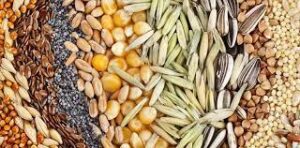 Above I mentioned, there are various problems in seed sector due to the long Corona pandemic situation. In order to prevent the breakage in the supply chain of seed, related problems should be identified and these solutions measures should be carried out. Hence, government agencies, seed companies and various agricultural sectors should work together to identify priority initiatives for improving food systems resilience worldwide.
ANITA PARAJULI
4th Semester, IAAS, TU


प्रतिक्रिया
सम्बन्धित खवर