Sarmila Bidari Acharya)
MSc.(Ag) Agronomy
Agriculture is the undeniable backbone of Nepal’s economy, providing a livelihood for over 60% of the population. However, this vital sector is currently on the front lines of a global crisis. As Climate Smart Agriculture (CSA) becomes a necessity rather than a choice, understanding the shifts in our fields is crucial for Nepal’s food security. It supports most families, provides food, and contributes significantly to the economy. Many people grow crops like rice, maize, wheat, millet, vegetables and fruits such as apples in different regions—from the hot plains in the Terai to the cooler hills and high mountains.
Climate change is making farming much harder. Temperatures are rising across Nepal, with hotter days and warmer nights. Rainfall patterns are shifting too. The Monsoon season, which brings most of the year’s rain from June to September, has become more unpredictable. Sometimes it arrives late or brings heavy downpours in short bursts, while other times there are long dry spells even during the wet season. Winters are often drier and extreme events like floods, droughts, and landslides happen more often.
These changes hit farming in several direct ways:
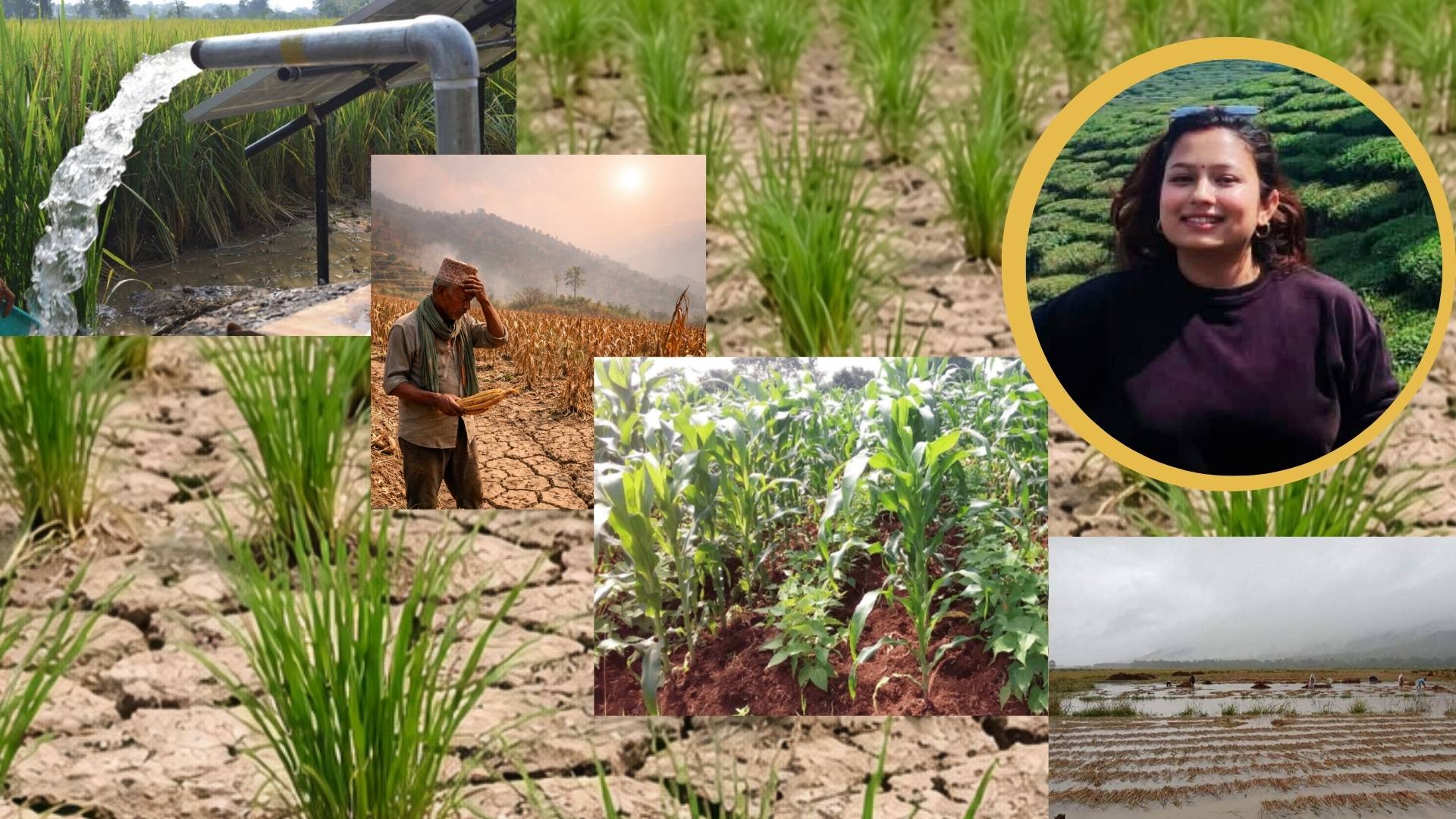
Unpredictable rain and droughts: It hampers crops that depend on steady water. In the Terai lowlands, delayed Monsoons or dry periods reduce rice production, one of Nepal’s main foods. Farmers see lower yields because fields don’t get enough water at the right time. In hills and mountains, less winter rain or snow means rivers and springs dry up earlier, making it tough to irrigate fields or grow winter crops like wheat.
Higher temperatures: It stresses plants. Hotter weather shortens the growing time for some crops. For wheat in the mid-hills, warmer conditions speed up the plant’s life cycle, so grains don’t fill out properly and harvests drop. Maize can suffer too, with heat affecting pollination. In high areas like Mustang, reduced snowfall leads to drier soil, causing drought and more diseases in apple orchards some farmers report big drops in apple output due to these issues.
New pests and diseases: They spread more easily. Warmer conditions let insects and bugs survive winters better, leading to more attacks on crops. Farmers notice new pests on maize or rice, and diseases like blast in rice or infestations in fruits become common. Livestock also face health problems from changing weather, which affects manure and fodder availability.
Extreme weather: It destroys fields. Heavy rains cause floods and landslides that wash away soil, ruin terraces in hills, and bury crops. In mountains, this erodes fertile land, while in plains, floods submerge fields. These events wipe out entire seasons’ work for many families.
These effects lower crop yields for staples like rice, maize, and wheat in many places. Food becomes harder to produce, raising concerns about hunger and income for rural households. Small farmers, who often work tiny plots without much irrigation, feel this the most.
But, people in Nepal are responding by adopting alternative ways to cope with climate change. Farmers try new seeds that handle heat or drought better, shift planting dates, or grow different crops. Some use better ways to manage soil and water, like rainwater collection or simple irrigation ponds. Communities and programs promote practices such as mixing trees with crops or rotating fields to build resilience.
Climate change won’t stop soon, but understanding these effects helps. By sharing knowledge, using smarter farming methods, and supporting farmers with tools and information, Nepal can protect its agriculture and keep feeding its people. The challenges are real, but so is the strength of Nepali farmers to adapt. Nepali farmers are adapting to climate change through practical, proven strategies to protect crops, water, and livelihoods.
Key adaptation approaches:
Changing planting times and crops: Farmers shift sowing dates to match erratic Monsoons and switch to heat or drought tolerant varieties of rice, maize, wheat, and other staples.
Better seeds and inputs: Many adopt improved, hybrid, or drought resistant seeds, use more organic manure or fertilizers, and practice green manuring to boost soil health.
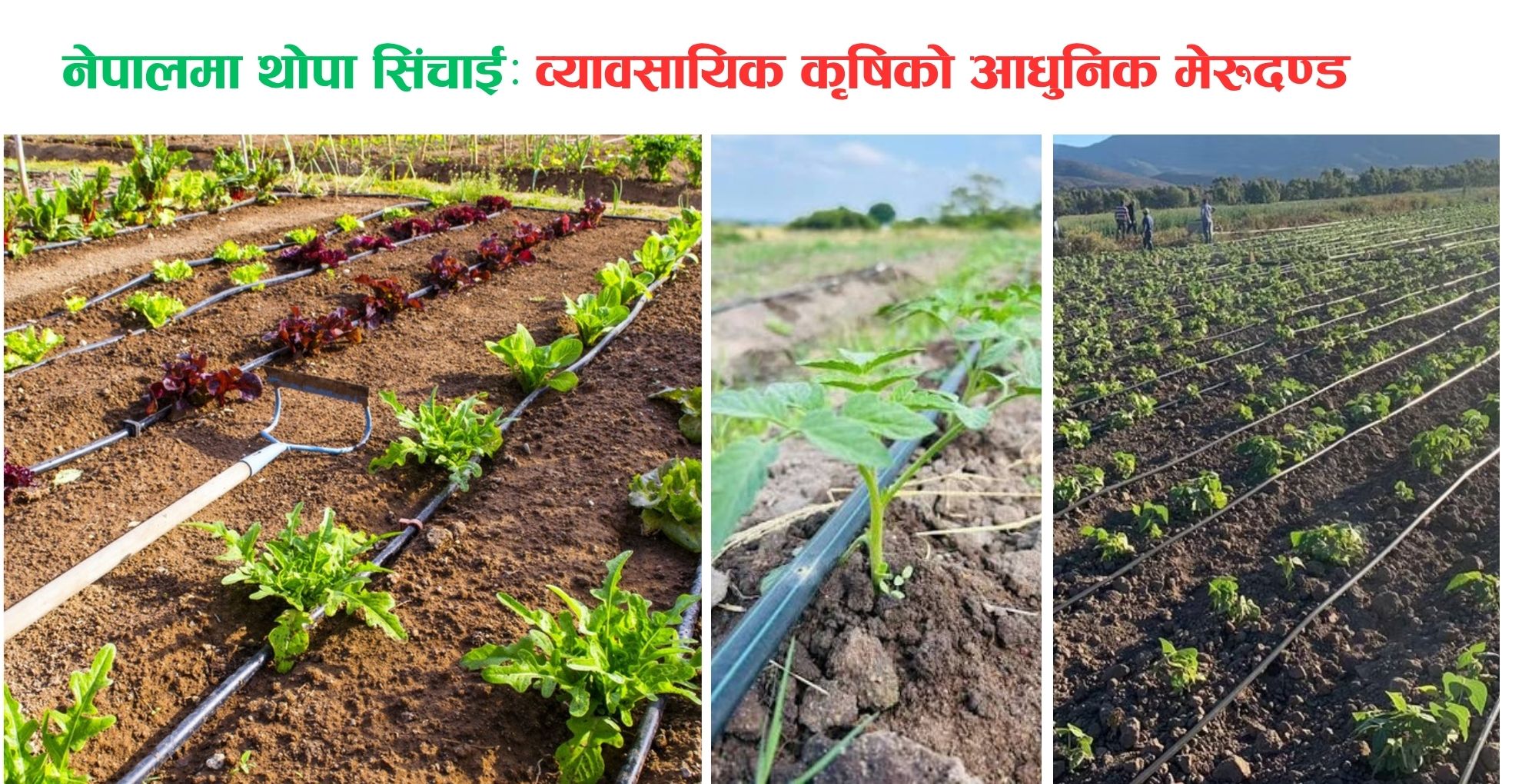
Water management: They build rainwater ponds, dig shallow wells or boreholes, use drip irrigation, practice alternate wetting and drying in rice fields, and harvest rainwater to cope with dry spells.
Diversification: Growing multiple crops, intercropping, adding vegetables or cash crops, integrating trees (agroforestry) for fruit, fodder, and soil protection, and raising livestock reduce risks from single-crop failures.
Pest and soil care: Farmers rotate crops, use natural pest controls, improve field hygiene, and add compost to fight new pests and maintain soil against erosion.
Extra income sources: Many take up off-farm jobs, temporary migration, or small businesses to supplement farming income when harvests suffer.
Community efforts: Groups share knowledge, plant trees on slopes to curb landslides, protect watersheds, and access training from extension services, NGOs, or programs like those from UNDP and government.
These steps help maintain yields, cut losses from floods/droughts, and improve food security. Challenges remain: limited money, info, credit, and labor slow wider adoption, especially for smallholders and women. With more support like subsidies, weather alerts, insurance, and training, these adaptations can grow stronger, keeping Nepali agriculture resilient even in extreme climatic conditions.